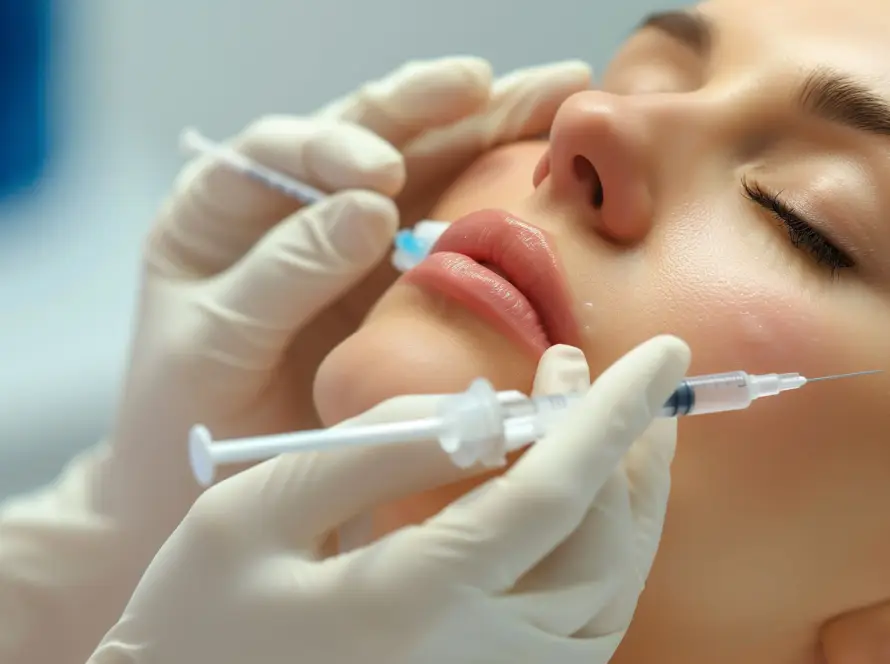
As more wellness and aesthetic clinics open across the country, the demand for medical oversight continues to grow. Yet not every clinic can afford, or even needs, a full-time medical director. That’s where the fractional medical director model comes in. This flexible approach allows clinics to receive professional supervision and compliance support without the cost and commitment of hiring an in-house physician. If you’re running a med spa, IV therapy lounge, hormone clinic, or telehealth practice, understanding the fractional model could be the key to scaling your business legally and affordably.
What Does “Fractional Medical Director” Mean?
The term fractional simply means “part-time” or “shared.” In a healthcare setting, a fractional medical director is a licensed physician who provides oversight on a flexible basis, often working with multiple clinics at once. Instead of being on-site daily, they may conduct monthly chart audits, review protocols, oversee staff training, and remain available for consultation.
This model allows clinics of all sizes to remain compliant with state laws while avoiding the expense of a full-time physician hire.
Why Clinics Choose Fractional Medical Oversight
Wellness and aesthetic businesses face unique challenges: strict state regulations, evolving treatment options, and high expectations for patient safety. Many clinic owners realize they need oversight but worry about the cost or rigidity of traditional medical director arrangements.
The fractional medical director model solves this by offering:
- Cost savings compared to hiring a full-time physician
- Scalability, allowing oversight to grow with your clinic
- Access to expertise across aesthetics, IV therapy, HRT, and more
- Flexibility for both startup and multi-location practices
This balance makes the model particularly appealing for med spas, IV lounges, and integrative clinics that want professional compliance without breaking the budget.
What Fractional Medical Directors Actually Do
Some clinic owners mistakenly believe a fractional director just “signs off” on protocols. In reality, their role is far more involved. A strong medical director should be engaged in multiple areas of your clinic’s operations. Typical responsibilities include:
- Reviewing and approving clinical protocols for each service offered
- Conducting chart audits to ensure proper documentation and compliance
- Overseeing delegation of duties so staff only perform treatments permitted under state law
- Providing staff training and supervision for new treatments and procedures
- Ensuring compliance with HIPAA, state medical board regulations, and scope-of-practice rules
Unlike “paper” directors who remain disengaged, fractional medical directors bring real oversight and accountability while fitting into a flexible business model.
How the Model Works in Practice
The way a fractional medical director provides oversight varies by clinic. For a startup IV hydration lounge, support may include monthly chart reviews, emergency protocol development, and staff credential checks. For a multi-location med spa, oversight might involve more frequent touchpoints, collaborative planning for new service rollouts, and remote consultations in the event of adverse outcomes.
State-by-State Compliance Matters
One of the biggest misconceptions about fractional medical directors is assuming the same model applies everywhere. In reality, each state has its own corporate practice of medicine rules. For example:
- California strictly enforces the Corporate Practice of Medicine doctrine, requiring MSO (Management Services Organization) structures for non-physician owners.
- Texas demands clear delegation protocols and prohibits non-physicians from directly owning medical practices.
- Florida allows more flexibility but still requires oversight and documentation for aesthetics and IV therapy.
- New York mandates physician ownership of medical entities, often requiring MSO models for non-physician involvement.
A fractional medical director ensures you’re not only receiving oversight but also aligning your business with the specific requirements of your state.
Why This Model Works for Growing Clinics
The beauty of the fractional model is its scalability. A clinic can begin with minimal oversight, ideal for a startup offering a limited number of services, and expand into more robust support as it grows into multiple locations or adds advanced treatments like hormone therapy. Instead of overcommitting early, you pay for the level of oversight you actually need.
Two Smart Moves Before Choosing a Fractional Medical Director
- Audit Your Current Compliance Practices
Before bringing on a fractional director, assess where your clinic stands. Are protocols up to date? Are staff roles aligned with scope-of-practice laws? Do you have a system for informed consent and charting?
- Choose a Partner with Multi-Specialty Expertise
If you plan to expand into IV therapy, hormone services, or aesthetics, ensure your medical director has experience across multiple specialties. This avoids disruptions when you decide to scale.
At Wellness MD Group, we specialize in providing medical director services that adapt to your clinic’s needs. Whether you’re launching your first location or expanding across multiple cities, our team ensures you stay compliant, protected, and positioned for growth.
Request a Consultation to learn how a medical director can support your clinic today.