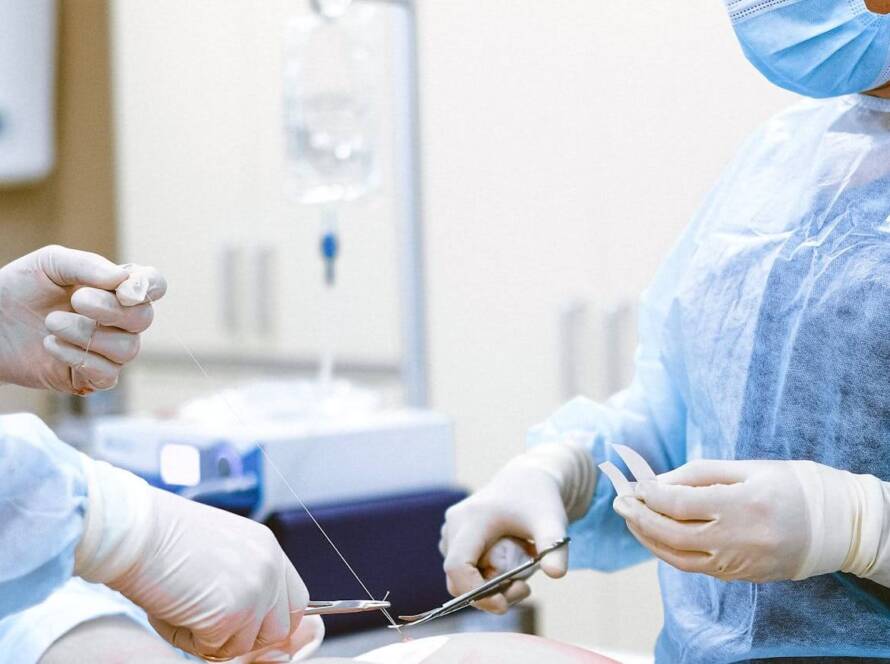
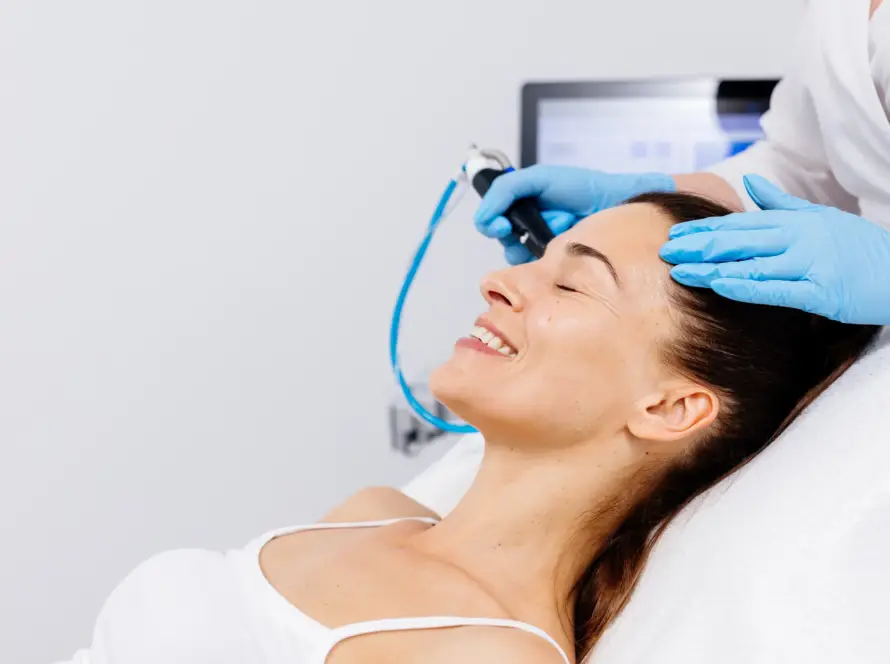
When it comes to staffing a med spa, it’s definitely not an easy task to find a qualified individual who has a license to practice and an attitude that’s acceptable. The fact of the matter is that med spas fall within that gray area between health care and beauty. A variety of issues are at play when staffing a med spa.
This guide is set to lead you through the essential building blocks of employment law as it applies within the med spa industry, helping you to shield and secure your company, as well as hire a competent and lawful work force.
The Med Spa Employment Landscape
Unlike traditional spas or beauty salons, med spas are considered medical entities. That means anyone performing certain services, such as injectables, laser hair removal, or microneedling that goes beneath the skin, is subject to medical board regulations in addition to state labor laws. You may need to hire nurses, aestheticians, or even a supervising physician. Each comes with its own legal requirements.
One of the first decisions you’ll face is whether your new hire should be an employee or an independent contractor. While many med spa owners assume contractors are easier to manage, the law often says otherwise. If you’re dictating the person’s schedule, providing supplies, or limiting them from working elsewhere, you likely need to classify them as an employee. Misclassification can result in serious penalties and backpay lawsuits. The IRS, Department of Labor, and state authorities can all investigate and enforce corrections if your setup doesn’t meet legal definitions.
Licensing and Scope of Practice
Another important issue to be taken into consideration during the composition of staff for a med spa facility is the aspect of licensing. Every state has its own set of guidelines regarding who is capable of performing which procedures. For instance, a registered nurse is authorized to inject dermal fillers/ neuromodulator Botox only as dictated by a licensed physician/NP. This is valid for a majority of states. Some states have more strict guidelines regarding supervision levels.
Hiring a medical director is more than an administrative formality and is actually a legal requirement for providing treatment of a medicinal quality. It is essential that the contribution of the medical director, be it direct or through the use of telemedicine protocols, be confirmed and that the medical director be held liable for the treatment that is provided.
This applies especially to delegating services. Just because an aesthetic specialist has been doing Botox for a number of years, for example, doesn’t mean it is legal to do so. If a service is deemed to be of a medical nature, it is to be conducted or supervised by a licensed medical professional, period.
Contracts, Paperwork, and the Legal Foundation
Once you’ve found the right hire, documentation becomes your shield. A comprehensive employment agreement helps both parties by setting expectations. These contracts should spell out everything, from compensation structure to job responsibilities, work hours, termination clauses, and confidentiality agreements.
It’s also smart to include an official job description. This helps outline what treatments or duties the employee’s scope of practice allows, and ensures no one ends up in hot water for stepping beyond it. If the role involves access to sensitive patient information, you’ll also want HIPAA compliance language baked into their agreement.
Beyond just the contract itself, employers are expected to check employment eligibility via the I-9 form, keep a valid license file on hand, and distribute any state or federal required labor notices. Onboarding isn’t just about showing someone where the breakroom is-it’s about creating a paper trail that stands up to scrutiny.
Privacy, HIPAA, and Client Data
Many med spas don’t realize that handling patient health history, even for cosmetic procedures, triggers HIPAA compliance. That means everyone from front desk staff to injectors must be trained on how to handle protected health information (PHI).
Aesthetic services might not seem like traditional healthcare, but once you start documenting conditions, allergies, medications, or before-and-after photos, you’re in HIPAA territory. It’s your responsibility as an employer to ensure proper training is in place, that your CRM software is HIPAA-compliant, and that policies are clearly documented in your employee handbook.
Violations can be expensive and damaging, even if unintentional. A receptionist casually discussing a client’s treatment over the phone in a public space can lead to legal trouble if someone overhears.
Harassment Prevention and Conduct Standards
Creating a legally compliant workplace isn’t just about treatment safety, it’s also about interpersonal behavior. With younger teams, casual dress codes, and a relaxed atmosphere, many med spas run into blurred lines around professionalism.
You should have a clear anti-harassment policy in place and provide regular training, especially if you operate in a state where it’s required by law. Employees need to know what qualifies as harassment, how to report it, and what protections they have.
This becomes even more important in environments where clients may behave inappropriately or where employees use social media as part of their role. You’ll want to establish a firm code of conduct that includes social media usage, patient boundaries, and protocols for escalating any incidents internally.
State-Specific Rules and the Medical Board
Many med spa compliance issues stem from a simple truth: owners don’t always understand what their state’s medical board allows. Some states prohibit non-physicians from owning or operating a medical entity. Others have strict delegation rules or mandate how closely a supervising physician must be involved.
If you’re in a state that prohibits corporate practice of medicine, you may need to set up a Management Services Organization (MSO) to remain compliant. In this structure, the non-medical side of the business (scheduling, marketing, billing) is legally separated from the medical care delivery team. An experienced healthcare attorney can guide you through the right setup based on your state’s requirements.
This is also where many franchises or multi-location med spas get it wrong: what’s allowed in Texas might not fly in California or Florida. Compliance has to be localized.
Compliance Is a Culture
Employment law isn’t something you review once and forget. It requires systems, policies, and training that evolve with your business. If you’re serious about building a reputable med spa, employment compliance should be part of your core operating strategy, not an afterthought.
At Wellness MD Group, we help med spa owners lay the legal groundwork for growth by focusing on structure, supervision, and compliance every step of the way. That includes staying current on state board changes, labor law updates, and industry best practices. The more proactive you are with compliance, the easier it becomes to grow your team with confidence and avoid costly mistakes down the road.
If you’re unsure whether your current structure meets legal standards, consult a healthcare attorney or HR compliance specialist. Your future self, and your business, will thank you.